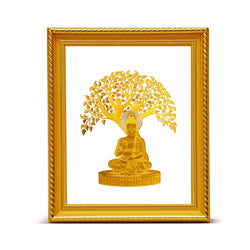

Vamana Jayanti is an auspicious Hindu festival dedicated to Lord Vamana, the fifth avatar of Lord Vishnu. The occasion celebrates the divine appearance of Lord Vishnu in the form of a young dwarf Brahmin. According to Hindu tradition, Lord Vamana appeared to restore dharma, maintain cosmic balance, and teach an important lesson about humility, devotion, and the responsible use of power.
Vamana Jayanti is traditionally observed during the Shukla Paksha of the Bhadrapada month. Devotees worship Lord Vishnu and Lord Vamana, observe fasting, chant mantras, offer prayers, and remember the famous story of Lord Vamana and King Mahabali.
The festival carries a timeless spiritual message: true greatness does not depend on physical appearance, wealth, status, or authority. Humility, wisdom, faith, and devotion are considered far greater forms of strength.
Vamana Jayanti – Wednesday, September 23, 2026
- Dwadashi Tithi Begins: 9:43 PM on September 22, 2026
- Dwadashi Tithi Ends: 10:50 PM on September 23, 2026
- Shravana Nakshatra Begins: 7:06 AM on September 22, 2026
- Shravana Nakshatra Ends: 9:09 AM on September 23, 2026
The Story Behind Vamana Jayanti
The story of Lord Vamana is closely associated with King Mahabali, also known as Bali. Mahabali was a powerful and generous king who gained control over the three worlds through his strength and spiritual merit. His growing influence concerned the devas, who sought the help of Lord Vishnu.
To restore cosmic order, Lord Vishnu appeared as Vamana, a young Brahmin of small stature. Lord Vamana approached King Mahabali while the king was performing a sacred ritual. Known for his generosity, Mahabali welcomed the young Brahmin and offered to fulfil his request.
Instead of asking for riches or a large kingdom, Vamana requested only three paces of land, measured by his own steps. Mahabali agreed to the seemingly modest request.
Lord Vamana then revealed his divine form and expanded to an enormous size. With his first step, he covered the earth. With his second, he encompassed the heavens. There was no space remaining for the third step.
Recognising the divine power before him, Mahabali humbly offered his own head as the place for Vamana's third step. His surrender demonstrated devotion, humility, and commitment to his promise.
The story is therefore not simply about victory over a powerful king. It also highlights Mahabali's generosity and surrender while demonstrating Lord Vishnu's role in restoring balance and dharma.
Significance of Vamana Jayanti
Vamana Jayanti carries profound spiritual significance. Lord Vamana's small physical form symbolises humility and simplicity, while his transformation into the cosmic Trivikrama form represents limitless divine power.
The story reminds devotees that outward appearances do not determine a person's true strength or potential. Wisdom, righteousness, and faith can accomplish what physical strength alone cannot.
King Mahabali's story also offers an important lesson. Despite possessing enormous power and wealth, he ultimately surrendered before the divine. His willingness to honour his promise even when it meant giving up everything is remembered as an example of devotion and generosity.
Vamana Jayanti therefore encourages devotees to overcome ego, practise humility, respect their commitments, and use their abilities responsibly.
How Is Vamana Jayanti Celebrated?
Devotees celebrate Vamana Jayanti with prayers and religious observances dedicated to Lord Vishnu. Many people begin the day by bathing early, cleaning the prayer area, and establishing a peaceful environment for worship.
An image or idol of Lord Vishnu or Lord Vamana may be placed in the puja area. Devotees offer flowers, fruits, sweets, incense, and other traditional offerings according to their family customs.
Some devotees observe a Vamana Jayanti fast and spend the day chanting Lord Vishnu's names and mantras. Recitation or listening to passages describing the story of Vamana and Mahabali is another meaningful way to observe the occasion.
Visiting a Vishnu temple, participating in bhajans, offering charity, and helping people in need are also considered meaningful expressions of devotion.
Spiritual Lessons from Lord Vamana
One of the greatest teachings of Vamana Jayanti is that humility should accompany success. Wealth, influence, and authority are temporary, while good character and righteous actions leave a lasting impact.
Lord Vamana also demonstrates that divine power does not always appear in an imposing form. His humble appearance concealed extraordinary strength and wisdom.
The festival encourages devotees to examine their own lives and identify areas where pride or attachment may be influencing their decisions. By developing gratitude, generosity, and self-control, devotees can move towards a more peaceful and spiritually meaningful life.
Connection Between Vamana and King Mahabali
The relationship between Lord Vamana and King Mahabali remains an important part of Hindu tradition. Although Mahabali surrendered his kingdom, his devotion and generosity earned him great respect.
King Mahabali is also closely associated with the festival of Onam, particularly in Kerala, where traditions remember his annual return to visit his people. This connection adds another dimension to the story, highlighting that Mahabali is remembered not merely as a defeated ruler but also for his generosity and devotion.
Conclusion
Vamana Jayanti celebrates the fifth avatar of Lord Vishnu and carries a powerful message about humility, righteousness, devotion, and balance. The story of Lord Vamana and King Mahabali reminds us that genuine greatness comes not from wealth or authority but from wisdom, integrity, generosity, and faith.
Through fasting, puja, mantra chanting, charity, and spiritual reflection, devotees can make Vamana Jayanti a meaningful occasion. The festival inspires everyone to reduce ego, honour commitments, remain humble during success, and follow the path of dharma.
May the blessings of Lord Vamana bring peace, prosperity, wisdom, and spiritual growth into every home.
Frequently Asked Questions (FAQs)
Q1. Who is Lord Vamana?
Lord Vamana is regarded as the fifth avatar of Lord Vishnu. He appeared in the form of a young dwarf Brahmin and is associated with the story of King Mahabali.
Q2. Why is Vamana Jayanti celebrated?
Vamana Jayanti celebrates the appearance of Lord Vamana and commemorates the restoration of cosmic balance and dharma. The occasion also highlights humility, devotion, generosity, and righteousness.
Q3. What is the story of Lord Vamana and King Mahabali?
Lord Vamana asked King Mahabali for three paces of land. After the king agreed, Vamana assumed a cosmic form, covered the earth and heavens in two steps, and Mahabali offered his head for the third.
Q4. How can devotees observe Vamana Jayanti?
Devotees may worship Lord Vishnu or Lord Vamana, observe a fast, chant Vishnu mantras, read sacred stories, visit temples, offer food and flowers, and perform acts of charity.
Q5. What does Lord Vamana symbolise?
Lord Vamana symbolises humility, wisdom, righteousness, and divine strength. His story teaches that true power lies in spiritual wisdom and good character rather than physical size, wealth, or status.