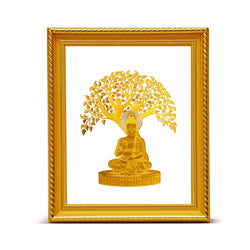

Yogini Ekadashi is one of the most sacred Ekadashis dedicated to Lord Vishnu. Observed during the Krishna Paksha of the Ashadha month, this auspicious day is believed to free devotees from past sins, purify the mind, and bring peace, prosperity, and spiritual growth. Hindu scriptures mention that observing the Yogini Ekadashi Vrat with complete devotion grants immense spiritual merit and helps devotees progress on the path of righteousness. In 2026, Yogini Ekadashi falls in July and is observed by thousands of devotees across India with fasting, prayers, Vishnu worship, and charity.
Bring home the divine spirit of festivals with PujaShoppe's collection of puja essentials, sacred products, and devotional décor that inspire peace, positivity, and devotion.
Yogini Ekadashi 2026 Date & Timings
Yogini Ekadashi: Friday, July 10, 2026
Ekadashi Tithi
- Begins: 08:16 AM on July 10, 2026
- Ends: 05:22 AM on July 11, 2026
Parana (Breaking the Fast)
- Date: Saturday, July 11, 2026
- Parana Time: 01:50 PM to 04:36 PM
- Hari Vasara Ends: 10:32 AM
Gauna Yogini Ekadashi
For devotees observing the Gauna Ekadashi:
- Date: Saturday, July 11, 2026
- Parana: Sunday, July 12, 2026
- Parana Time: 05:32 AM to 08:18 AM
Note: On the Gauna Parana day, Dwadashi Tithi ends before sunrise, so devotees should complete Parana during the prescribed time.
Significance of Yogini Ekadashi
Yogini Ekadashi is observed after Nirjala Ekadashi and before Devshayani Ekadashi, making it an important Ekadashi in the Hindu calendar. According to the North Indian calendar, it falls during the Krishna Paksha of Ashadha, while in the South Indian calendar it is observed during the Krishna Paksha of Jyeshtha. In the Gregorian calendar, it usually falls in June or July.
The word "Yogini" symbolizes spiritual discipline and union with the Divine. Devotees dedicate this day to Lord Vishnu by observing a strict fast, chanting His holy names, reading sacred scriptures, and performing acts of charity. It is believed that sincere observance of this vrat removes negative karma and brings divine blessings.
Benefits of Observing Yogini Ekadashi
According to Hindu scriptures, observing the Yogini Ekadashi Vrat with faith offers numerous spiritual and worldly benefits.
Some of the important benefits include:
- Removes accumulated sins from previous actions.
- Brings peace, prosperity, and happiness.
- Helps overcome obstacles and negative energies.
- Improves spiritual awareness and devotion.
- Grants good health and mental peace.
- It is believed that the merit earned by observing Yogini Ekadashi is equal to feeding 88,000 Brahmins.
- Scriptures also state that devotees may attain Swarga Lok (heavenly abode) through sincere observance of this sacred fast.
Because of these extraordinary benefits, Yogini Ekadashi is regarded as one of the most powerful Ekadashi vrats.
Ekadashi Vrat Parana
Parana refers to the ritual of breaking the Ekadashi fast. It is an essential part of the vrat and should always be performed correctly.
The fast is broken after sunrise on the following day during Dwadashi Tithi. However, devotees should not break the fast during Hari Vasara, which is considered the first one-fourth duration of Dwadashi.
The ideal time to perform Parana is during Pratahkal (morning) after Hari Vasara ends. If this is not possible due to unavoidable circumstances, Parana may be performed after Madhyahna (midday) within the prescribed time.
Failing to perform Parana during Dwadashi is considered inauspicious according to Hindu traditions.
Why Are There Two Ekadashi Dates?
Sometimes the Hindu Panchang lists two consecutive Ekadashi fasting days. This often creates confusion among devotees.
Traditionally:
- Smartha devotees (householders and families) observe the fast on the first Ekadashi.
- Vaishnav devotees, saints, sanyasis, widows, and those seeking Moksha (liberation) may observe the second Ekadashi, also known as Gauna Ekadashi.
Some highly devoted followers of Lord Vishnu even observe fasting on both days as an expression of deep devotion and love for the Lord.
How to Observe Yogini Ekadashi
Devotees usually begin the day with an early morning bath, wear clean clothes, and worship Lord Vishnu with devotion.
Common practices include:
- Chanting "Om Namo Bhagavate Vasudevaya."
- Offering Tulsi leaves, flowers, fruits, incense, and a ghee lamp.
- Reading or listening to the Yogini Ekadashi Vrat Katha.
- Avoiding grains, rice, onion, garlic, and tamasic foods.
- Spending the day in prayer, meditation, bhajans, and charity.
- Breaking the fast only during the prescribed Parana Muhurat.
Conclusion
Yogini Ekadashi 2026, observed on Friday, July 10, is a highly auspicious occasion for devotees of Lord Vishnu. The vrat is believed to cleanse accumulated sins, bestow prosperity, and strengthen one's spiritual journey. Along with fasting, devotees are encouraged to practice kindness, self-discipline, and devotion.
By observing the Yogini Ekadashi Vrat with sincerity and performing the Parana at the correct time, devotees seek the divine blessings of Lord Vishnu for peace, happiness, and ultimate spiritual upliftment. Whether you observe the Smartha or Gauna Ekadashi, this sacred day offers a wonderful opportunity to deepen your faith and invite positivity into your life.
FAQ's
Q1. When is Yogini Ekadashi in 2026?
Yogini Ekadashi will be observed on Friday, July 10, 2026.
Q2. What is the Parana time for Yogini Ekadashi 2026?
The Parana will be performed on Saturday, July 11, 2026, from 01:50 PM to 04:36 PM after Hari Vasara ends at 10:32 AM.
Q3. Who is worshipped on Yogini Ekadashi?
Yogini Ekadashi is dedicated to Lord Vishnu, and devotees observe the fast to seek His blessings, prosperity, and spiritual growth.
Q4. What are the benefits of observing Yogini Ekadashi Vrat?
The vrat is believed to remove sins, bring peace and prosperity, eliminate negative karma, and help devotees attain spiritual merit.
Q5. What foods should be avoided on Yogini Ekadashi?
Devotees generally avoid grains, rice, onion, garlic, non-vegetarian food, and alcohol, and instead consume vrat-friendly foods or observe a complete fast according to their tradition.